
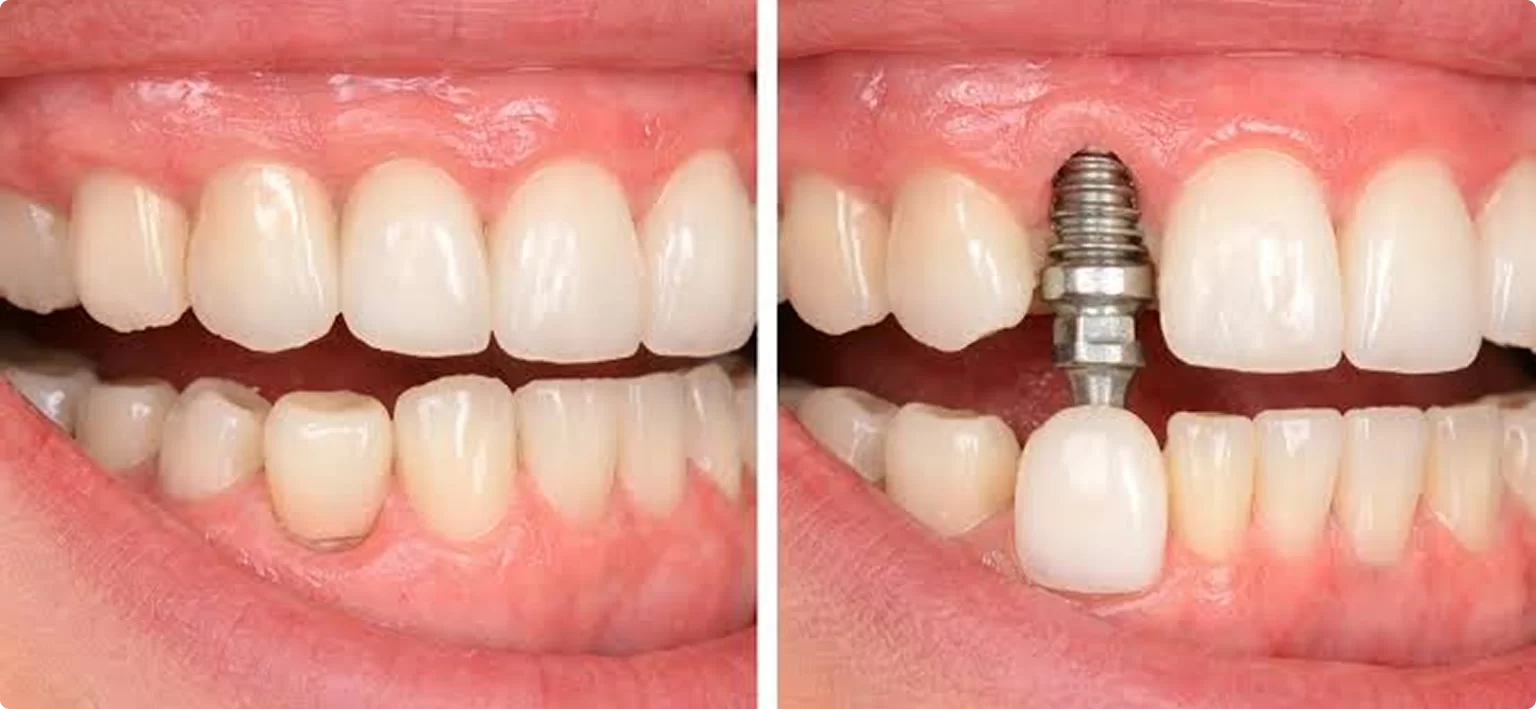
Losing a tooth is more than just a cosmetic concern. Missing teeth affect chewing, speech, oral health, and self-confidence. Fortunately, modern dentistry offers reliable solutions such as dental implants and dental bridges.
If you’re comparing dental implants vs bridges, understanding the differences is important. Both treatments can restore function and appearance, but long-term success is always rooted in a strong foundation — careful diagnosis, treatment planning, and the structural support available from the very beginning. A strong foundation is key to achieving long-term oral health goals and lasting results.
In this guide, we’ll explain both options clearly and help you understand the key factors that influence lasting results.
Understanding Missing Teeth Treatment
Before comparing the two, it’s important to understand why replacing missing teeth is essential. When a tooth is lost, it can lead to several problems:
- Adjacent and opposing teeth may shift out of position
- Jawbone can start to deteriorate over time
- Chewing and speaking become difficult
- Facial structure can gradually change
Choosing the right treatment is not just about filling the gap, but preserving long-term stability, function, and overall oral health.
What Are Dental Implants?
Dental implants are considered one of the most advanced solutions for replacing missing teeth. They involve placing a titanium post into the jawbone, which acts as an artificial tooth root. Once the bone forms around the implant (osseointegration) and healing is complete, a crown is placed on top, restoring both function and appearance.
What makes implants unique is that they are supported by the jawbone itself. This creates a stable and long-lasting solution that closely mimics natural teeth.
However, the success of dental implants depends heavily on factors like bone quality, bone width and height, gum health, and precise placement. When these elements are carefully evaluated and managed, implants become extremely reliable and comfortable over the long term.
What Are Dental Bridges?
A dental bridge is a prosthetic solution used to replace one or more missing teeth by connecting an artificial tooth to the neighbouring natural teeth. To support the bridge, a portion of the outer protective layer (enamel) of the healthy neighbouring teeth must be permanently removed so that crowns can be placed over them to hold the bridge in place.
Because the bridge depends entirely on neighbouring teeth for support, added pressure over time can lead to wear and compromise their long-term health.
Dental Implants vs Bridge: Key Differences
| Key Differences | Implants | Bridge |
| Procedure | Minor surgical procedure done under local anaesthesia | Does not involve surgery. The outer layer of adjacent teeth has to be reshaped by removing the enamel layer, and then the bridge is fixed over them. |
| Impact on surrounding teeth | No impact | Gradually affects adjacent teeth over time |
| Bone health | Maintains the bone in the area of the missing teeth | Bone in the missing teeth area is lost gradually |
| Durability | If maintained well, can last a lifetime | Lasts 7–10 years. Has to be replaced eventually |
| Stability and support | Anchored into the jawbone and does not affect adjacent teeth | Depends on adjacent teeth for support, which carry additional stress over time |
| Cost | One-time investment, long-term value | Investment at multiple stages, shorter lifespan |
Advantages of Dental Implants
Dental implants offer several long-term benefits:
- Strong and stable support from the jawbone
- Helps maintain bone structure
- Does not affect surrounding teeth
- Long-lasting and durable
- Natural look and function
Because of these benefits, implants are often considered the most comprehensive missing teeth treatment for long-term oral health.
Advantages of Dental Bridges
Dental bridges also provide important benefits:
- Non-surgical and less invasive
- Faster treatment completion
- Suitable for certain clinical conditions
They can be a practical option when immediate restoration is needed or when implants are not feasible.
When Should You Choose Dental Implants?
Dental implants are ideal if:
- You want a long-term solution
- You have healthy gums and sufficient bone support
- You prefer not to rely on adjacent teeth
- You are looking for maximum stability and durability
Although the process takes longer, the outcome is more stable and beneficial over time.
When Should You Choose a Dental Bridge?
A dental bridge may be suitable if you:
- Want a quicker solution
- Prefer to avoid surgery
- Have limitations in bone support
- Need a short-term option
Which Option Is Better?
The answer to this question varies from patient to patient.
If your foundation is strong, considering the advantages of implants, they would be a better choice in a well-evaluated case. They preserve surrounding teeth, support bone health, and closely mimic the feel of a natural tooth, and are hence often considered the better option.
While dental bridges can restore missing teeth effectively, they require removal of a healthy enamel layer of neighbouring teeth, require replacement over time, and often involve additional maintenance and future investment.
The best decision comes from understanding not just the immediate result, but also how the treatment will perform and support your oral health in the long run.
Dental Implant Procedure – Step-by-Step
1. Initial Evaluation
Detailed clinical examination with intraoral scanning, along with a CBCT (3D scan) of the missing tooth area to evaluate bone width, height, and density. A few blood tests are also done to assess the general health of the patient.
2. Stage 1 Surgery
The dental implant is placed into the jawbone in a planned, guided surgical procedure under local anaesthesia.
3. Healing Phase
The implant integrates with the bone to achieve stability (osseointegration).
4. Stage 2 Procedure
A new scan is taken for the implant, and it is prepared for the final restoration.
5. Final Step
A custom-made crown is placed to restore function, comfort, and natural appearance.
Dental Bridge Procedure – Step-by-Step
1. Initial Evaluation
Dental examination and X-rays are done to assess the missing tooth area and supporting teeth.
2. Tooth Preparation
The adjacent teeth are shaped to support the bridge. If required, root canal treatment is also done on the adjacent teeth.
3. Digital Scan
A digital scan is taken to fabricate a custom-made bridge.
4. Temporary Bridge
A temporary bridge may be placed while the final bridge is being prepared.
5. Final Placement
The permanent bridge is fitted and cemented to restore function and appearance.
Final Thoughts
Choosing between a dental implant and a bridge at HDC is an important decision that goes beyond simply replacing a missing tooth. Both options can restore your smile and function effectively, but long-term success depends on one key factor — a strong foundation.
Dental implants are often preferred for their stability and ability to support the jawbone over time, while bridges can be a suitable option in select cases with a shorter treatment timeline. However, if the foundation is not strong, no treatment can truly last.
This is where we come in. At HDC, we focus on building from the ground up by carefully evaluating the bone, gums, and overall oral health before planning your treatment. Our goal is not just to replace teeth, but to create results that are stable, functional, and built for long-term comfort and confidence.
Frequently Asked Questions
1. Which is better, dental implants or bridges?
Dental implants offer better long-term durability and stability, while bridges are a faster treatment option that may be suitable in certain cases depending on clinical and financial considerations.
2. Are dental implants more expensive than bridges?
Dental implants are often considered a one-time investment designed for long-term stability, while dental bridges may involve recurrent investment over time due to replacement or maintenance needs. In the long run, the overall cost becomes comparable.
3. Do dental bridges affect surrounding teeth?
Yes, dental bridges rely on adjacent teeth for support. This means the foundation provided by the neighbouring teeth plays a key role in the longevity and stability of the bridge.
4. How long do dental implants last?
With proper care, they can last a lifetime.
5. Can anyone get dental implants?
Most people are suitable for dental implants, but it depends on a proper evaluation. Healthy gums, good bone support, and overall medical fitness are checked before confirming treatment.
6. How long does a dental bridge last?
A dental bridge usually lasts 6–7 years and may then need replacement. Since it doesn’t replace the tooth root, the underlying jawbone slowly shrinks over time, which can affect long-term support and facial structure.
7. Is the implant procedure painful?
Dental implant surgery is done under local anaesthesia, so you won’t feel pain during the procedure.
8. What is the best treatment for missing teeth?
Dental implants are often considered the most reliable long-term solution, but the right choice depends on individual needs.